
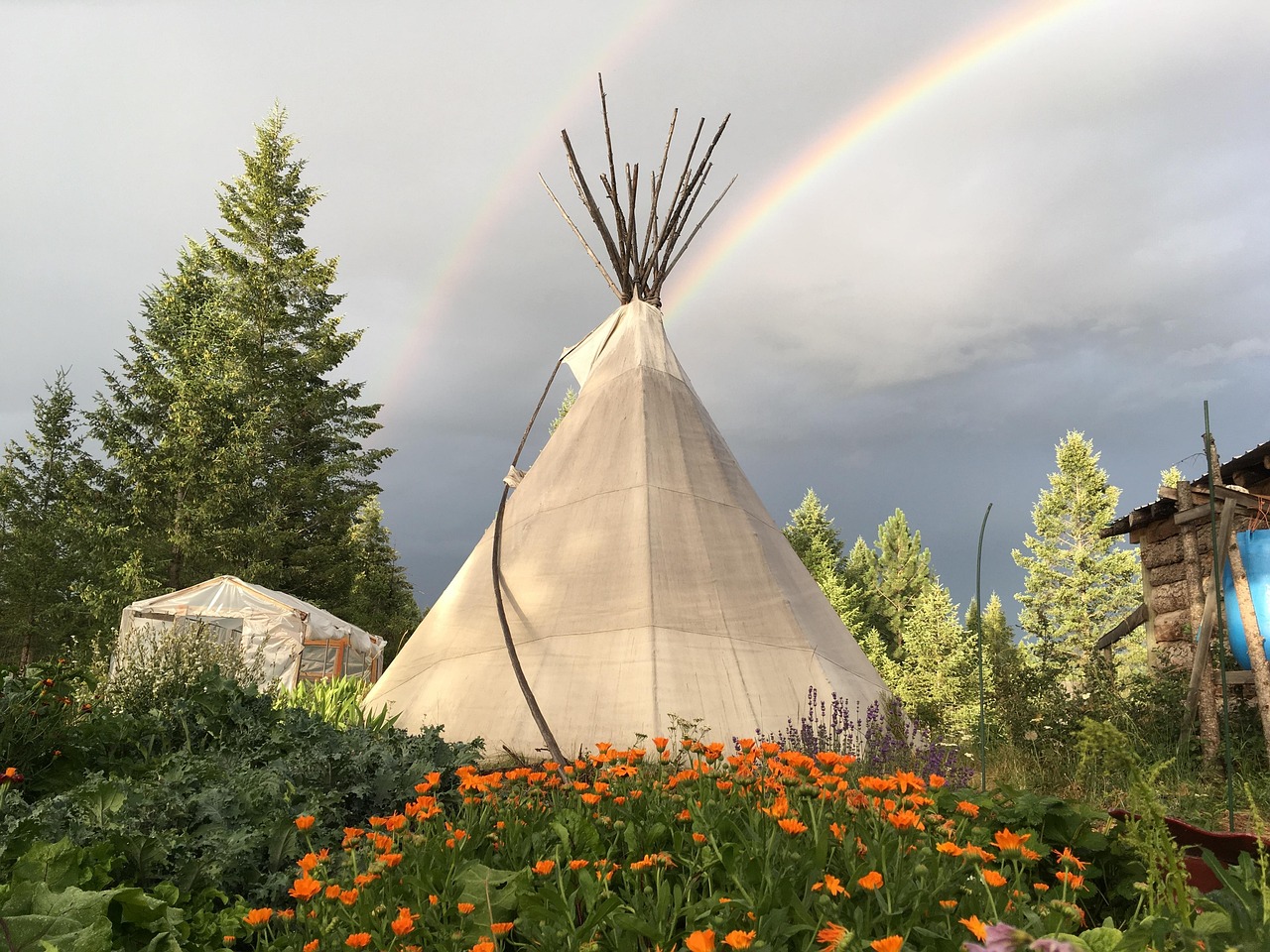
Gardening is a great way to get in touch with nature and express yourself creatively. Whether you have a sprawling backyard or a small balcony, growing a garden can give you a connection to the natural world and provide you with fresh fruits, vegetables, herbs, and flowers. Here are five essential tips for growing a thriving garden.
1. Choose the Right Location
The first step to growing a successful garden is to choose the right location. To maximize the potential of your garden, make sure to pick a spot that receives at least six to eight hours of sunlight per day. If you’re short on space, consider investing in raised beds or containers to take advantage of vertical space.
2. Prepare the Soil
Once you’ve picked the perfect spot, it’s time to prepare the soil. To do this, you’ll want to use a soil test kit to determine the pH level and nutrient content of your soil. This will help you determine what kind of soil amendments, such as compost, need to be added. It’s also important to till the soil to a depth of at least 12 inches before planting, to ensure that there are no rocks or debris that can stunt the growth of your plants.
3. Plant the Right Seeds or Plants
The next step is to choose the right seeds or plants for your garden. If you’re a beginner, it’s best to start with plants that are easy to grow, such as tomatoes, peppers, and herbs. If you’re an experienced gardener, you can explore more challenging plants, such as exotic fruits and vegetables. Make sure to read up on the plants you want to grow and research any special requirements they may have.
4. Water and Fertilize Regularly
To ensure that your plants thrive, you’ll need to water and fertilize them regularly. Water your plants deeply and evenly, and fertilize them with a balanced fertilizer every few weeks. Be careful not to over- or underwater your plants, as this can cause them to become stressed and susceptible to disease.
5. Practice Integrated Pest Management
Finally, practice integrated pest management to keep your garden healthy and free of pests. Start by regularly inspecting your plants for signs of pests, such as holes in the leaves or brown spots. If you find any, use natural remedies, such as insecticidal soap or neem oil, to eliminate the pests.
FAQs
Q: What is the best location for a garden?
A: The best location for a garden is one that receives at least six to eight hours of sunlight per day. If you’re short on space, consider investing in raised beds or containers to take advantage of vertical space.
Q: How should I prepare the soil for my garden?
A: To prepare the soil for your garden, use a soil test kit to determine the pH level and nutrient content of your soil. This will help you determine what kind of soil amendments, such as compost, need to be added. It’s also important to till the soil to a depth of at least 12 inches before planting, to ensure that there are no rocks or debris that can stunt the growth of your plants.
Q: How often should I water and fertilize my plants?
A: To ensure that your plants thrive, you’ll need to water and fertilize them regularly. Water your plants deeply and evenly, and fertilize them with a balanced fertilizer every few weeks. Be careful not to over- or underwater your plants, as this can cause them to become stressed and susceptible to disease.
Q: How can I keep my garden free of pests?
A: To keep your garden free of pests, practice integrated pest management. Start by regularly inspecting your plants for signs of pests, such as holes in the leaves or brown spots. If you find any, use natural remedies, such as insecticidal soap or neem oil, to eliminate the pests.


