Introduction:
Camping, the timeless outdoor pursuit that beckons adventure enthusiasts and nature lovers alike, offers a unique opportunity to disconnect from the hustle and bustle of daily life and reconnect with the great outdoors. Whether you’re a seasoned camper or a novice seeking a new experience, this comprehensive guide will equip you with the knowledge and tips to make your camping trip a memorable and enjoyable one.
I. Choosing the Perfect Camping Spot:
The first step in planning a successful camping adventure is selecting the right location. From national parks to secluded forests, the options are vast. Consider factors such as proximity, terrain, and amenities when choosing your camping spot. Researching and understanding the specific regulations of the area can also help you prepare adequately.
II. Essential Camping Gear:
To ensure a comfortable and safe camping experience, it’s crucial to invest in high-quality gear. The essentials include a durable tent, sleeping bags, camping stove, and appropriate clothing. Additionally, packing a first aid kit, navigation tools, and a multi-tool can prove invaluable in unexpected situations. As technology advances, there are also innovative camping gadgets that can enhance your experience, from solar-powered lanterns to portable water purifiers.

III. Meal Planning and Campfire Cooking:
One of the joys of camping lies in savoring delicious meals cooked in the great outdoors. Plan your meals in advance and pack ingredients that are easy to prepare. Campfire cooking adds a rustic charm to the experience, so make sure you’re equipped with the right tools, such as a sturdy cooking grate and fire-resistant cookware. Don’t forget to check if the campsite permits open fires and, if not, bring a portable camping stove.
IV. Connecting with Nature:
Camping provides a unique opportunity to connect with nature on a deeper level. Take time to explore the surrounding environment, identify local flora and fauna, and appreciate the beauty of the natural world. Activities such as hiking, birdwatching, and stargazing can add an extra layer of enjoyment to your camping trip.
V. Leave No Trace Principles:
Responsible camping involves adhering to the Leave No Trace principles to minimize your environmental impact. These principles include packing out all waste, respecting wildlife, and staying on designated trails. By following these guidelines, you contribute to the preservation of natural habitats and ensure that future generations can enjoy the same pristine landscapes.
VI. Weather Preparedness:
Mother Nature can be unpredictable, so it’s essential to stay informed about the weather conditions before and during your camping trip. Pack accordingly, considering the potential for rain, wind, or extreme temperatures. Dressing in layers, bringing waterproof gear, and having a reliable weather app on hand can help you stay comfortable and safe in various conditions.
VII. Safety and Emergency Preparedness:
While camping is generally a safe activity, it’s crucial to be prepared for unforeseen circumstances. Familiarize yourself with the campsite’s emergency procedures, carry a fully stocked first aid kit, and have a communication plan in place. Inform someone trustworthy about your itinerary and expected return time, especially if you’re venturing into more remote areas.
VIII. Campsite Etiquette:
Respecting fellow campers and the environment is fundamental to a positive camping experience. Keep noise levels to a minimum, follow designated trails, and be mindful of wildlife habitats. Practicing good campsite etiquette ensures that everyone can enjoy the tranquility of the outdoors.
IX. Family-Friendly Camping:
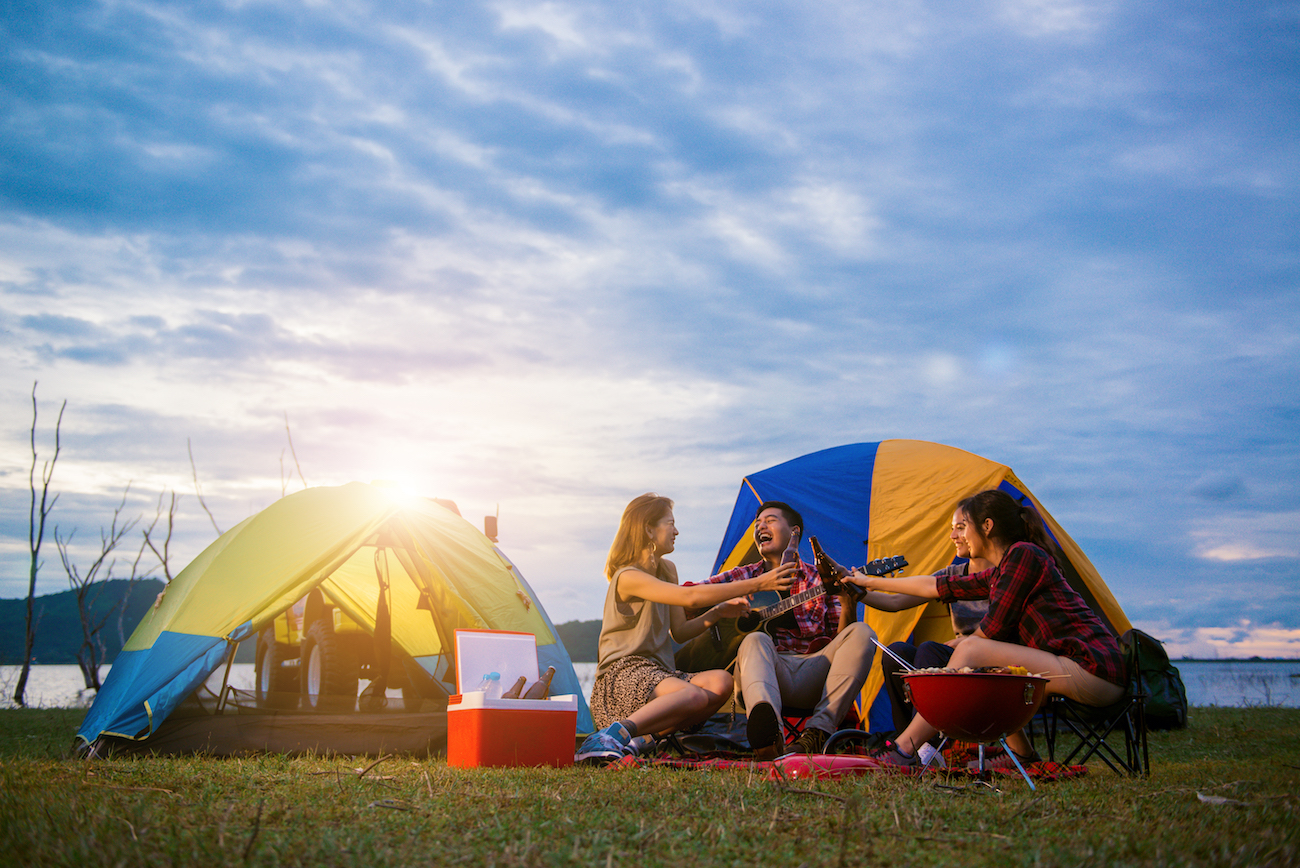
Camping is an ideal family activity that fosters bonding and creates lasting memories. When camping with children, choose a family-friendly campsite with amenities such as playgrounds or safe swimming areas. Plan age-appropriate activities and involve the whole family in setting up camp and cooking meals for a truly immersive experience.
X. Solo Camping Adventures:
For those seeking solitude and self-discovery, solo camping can be a transformative experience. Before embarking on a solo trip, ensure that you have the necessary skills and equipment. Inform someone of your plans and check in regularly. Solo camping allows for introspection and a unique connection with nature that is hard to replicate in a group setting.
Conclusion:
Camping, with its blend of adventure and tranquility, offers a rejuvenating escape from the daily grind. By choosing the right location, investing in quality gear, embracing nature, and practicing responsible camping, you can create unforgettable memories and foster a deeper appreciation for the great outdoors. So, pack your bags, embrace the call of the wild, and embark on a camping adventure that will leave you with a renewed sense of awe and appreciation for the beauty of our natural world.